Railways Manager
Railways Manager drops you into the conductor's seat of your own rail company, where every decision shapes your network. Unlike simple track-laying games, this one asks you to juggle locomotive upgrades, passenger demand, cargo contracts, and the ever-rising cost of expansion. The map starts modest, but as cities grow and industries open, you'll need to plan routes that keep trains moving without emptying your treasury. What sets Railways Manager apart is the constant push between immediate needs and long-term strategy. A direct line to a booming city might rake in cash now, but a branch to an untapped iron mine could set you up for bigger profits later. Signals, station capacity, and train speed all play a role, and mistakes show up quickly as delays or lost revenue. It's a satisfying loop of building, tweaking, and watching your network hum — until a new junction or a sudden spike in cargo demand forces you to rethink everything.
 WaffleMath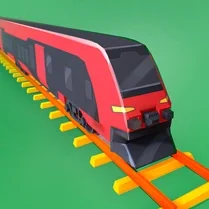
Common Core State Standards
Every game supports specific Common Core standards. Browse the full standards library.
Practice by Skill
Games by Grade
What is Railways Manager
Step into the role of a railway tycoon and build a network that keeps cities and industries connected. Every track you lay and train you schedule brings you closer to rail empire glory.
How to Play
Click or tap to place train stations and lay railway tracks between them, then assign locomotives to routes and set their schedules. Keep an eye on your budget and adjust fares, cargo rates, or routes to stay profitable as demand shifts.
Tips for Playing
- Start with short, high-demand passenger routes to build a steady cash flow.
- Upgrade your trains' speed before adding more rolling stock to the same line.
- Branch to cargo hubs early, as freight contracts often pay more than passenger fares.
- Leave room for double tracks on busy corridors to avoid bottlenecks.
- Pause frequently to review your route map and reroute trains that sit idle.
Frequently Asked Questions
How do I earn money in Railways Manager?
You earn by transporting passengers and cargo between connected stations. Passenger fares come from regular travel, while cargo contracts pay lump sums for meeting delivery quotas.
What happens if a train can't reach its destination?
If a route is blocked or a station is full, the train waits or automatically reroutes if an alternative path exists. Long delays lose revenue, so keep tracks clear and signals working.
Can I expand my rail network while trains are running?
Yes, you can build and modify tracks during gameplay. However, construction pauses your trains for the duration, so plan expansion during calm periods or when you can afford downtime.
Are there different types of trains?
Yes, you unlock or purchase locomotives that vary in speed, capacity, and operating cost. Faster trains suit passenger lines, while larger ones handle heavy cargo.
How do I fix a money shortage?
Try lowering operational costs by reducing train frequency on underused routes, or renegotiate cargo contracts. You can also take out a loan if the bank option is available in your difficulty level.
Is there a goal or ending?
The primary goal is to grow your company's value and reach a certain profit milestone. After that, you can keep playing in an open-ended sandbox style.
Related Simulation Tycoon Games
 Bus Stop: Distribute Passengers
 My Perfect Hotel
 Towntopia
 Football Manager
 Airport Simulator
 Business Simulator 4
 City Constructor
 Cow Bay
 Global City
 Dictator Simulator: 1984
 Mini Subway
 Army Evolution: Merge & Tactics
 Apocalypse Tycoon: Island
 Ant Colony: Farm!
 Army Tycoon 99
 Idle Army Inc: Military Tycoon
 Mr. Mafia
 Empire City