Chess puzzles
Chess puzzles is a brain-teasing challenge that strips the game down to its most critical moments. Instead of a full match, you face a single board position, often lifted from real games, where only one precise move or sequence leads to success. It's a pure test of your tactical vision and calculation, pushing you to think several moves ahead and spot subtle patterns that others might miss. Each puzzle is a compact mental workout, designed to refine your intuition and deepen your understanding of piece coordination. As you progress, the puzzles grow more demanding, introducing forks, pins, skewers, and other tactical motifs that can turn a game around. Whether you're a newcomer looking to learn the ropes or a seasoned player aiming to keep your edge, this game offers a satisfying blend of instruction and challenge. You'll find yourself analyzing positions from both sides, weighing material gains, and setting up devastating checkmates. It's not just about finding the answer—it's about learning why it works.
 WaffleMath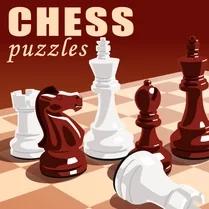
Common Core State Standards
Every game supports specific Common Core standards. Browse the full standards library.
Practice by Skill
Games by Grade
What is Chess puzzles
Chess puzzles offers a fresh way to train your tactical instincts. Dive into a collection of positions that demand precision and insight.
How to Play
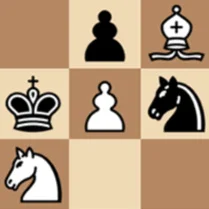
Each puzzle shows a legal chess position, and your goal is to execute the best move or sequence. Click a piece to select it, then click a destination square to make your move.
Tips for Playing
- Look for checks, captures, and threats first—they often lead to the winning move.
- If a position stumps you, try eliminating moves that lose material or give up checkmate.
- Practice recognizing basic patterns like forks and pins to speed up your analysis.
- Take your time; there's no timer, so think through each move's consequences calmly.
- Review the solution after a puzzle to understand the reasoning behind the correct move.
Frequently Asked Questions
Do I need to know how to play chess to solve these puzzles?
Yes, a basic understanding of chess rules and piece movements is helpful. The puzzles focus on tactical situations, so you'll need to know how each piece moves.
What happens if I make a wrong move?
The game will let you know the move is incorrect, and you can usually try again. Some modes might count mistakes, but the focus is on learning.
Are the puzzles based on real games?
Many puzzles are drawn from actual played games, but some are composed specifically for training. This variety keeps the challenges interesting and realistic.
Can I get a hint if I'm stuck?
Hint features vary by version, but often you can view the solution after attempting. Using hints can help you learn, but try to solve on your own first.
Is there a time limit for solving each puzzle?
Typically, there is no strict time limit, allowing you to think at your own pace. This makes it ideal for training and improving calculation skills.
Will solving puzzles improve my overall chess game?
Absolutely. Regular puzzle practice sharpens your tactical awareness, pattern recognition, and ability to spot winning moves in real matches.