Chess Arena
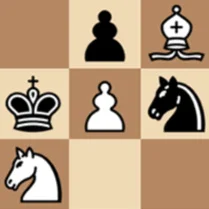
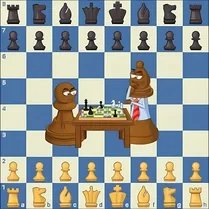
Chess Arena turns the classic game into a series of brain-teasing scenarios. Each puzzle drops you onto a board where a single decisive move—or a clever sequence—unlocks victory. You'll face forks, pins, skewers, and checkmate patterns that demand precise calculation and a keen eye for hidden opportunities. The puzzles grow progressively tougher, nudging you to think several moves ahead and recognize recurring motifs that great players rely on. As you advance, the Arena becomes a personal training ground. Whether you're a casual player or a seasoned competitor, the challenges are designed to stretch your pattern recognition and deepen your understanding of piece coordination. With clean visuals and a focus purely on the puzzle, it's an ideal way to practice chess thinking without the pressure of a full game. Each solved position delivers a small rush of satisfaction, and the increasing complexity keeps you coming back for more.
 WaffleMath
Common Core State Standards
Every game supports specific Common Core standards. Browse the full standards library.
Practice by Skill
Games by Grade
What is Chess Arena
Chess Arena is a puzzle-driven experience that tests your ability to find the best move in any given position. It's a focused workout for your tactical mind.
How to Play
You're presented with a chess position and must select the move that gives you the greatest advantage. Drag or click a piece to its target square, then confirm your choice to see if it solves the puzzle.
Tips for Playing
- Scan for checks, captures, and threats before considering quiet moves.
- Look for tactics like forks, pins, and discovered attacks in every position.
- If a move seems too simple, double-check for a stronger forcing sequence.
- Practice visualizing the board two or three moves ahead before committing.
- When stuck, consider sacrificing material to open the enemy king.
Frequently Asked Questions
What is the goal in Chess Arena?
You must find the best move or series of moves in each given chess position. The objective is to achieve a winning advantage or checkmate, depending on the puzzle.
Do I need to know chess rules to play?
Yes, a basic understanding of chess moves and checkmate is necessary. The puzzle focuses on tactics, so you'll need to know how pieces move and capture.
Can I skip a puzzle if it's too hard?
You can usually skip a puzzle and come back later, but solving it earns you progress and helps improve your skill. The game encourages you to persist.
Are there hints available?
Often there's a hint option that highlights the piece you need to move, but it might cost you points or progress. Use it sparingly to keep the challenge.
Is Chess Arena suitable for beginners?
Yes, the early puzzles are simple enough for newcomers, but they gradually become more complex. It's a great way to learn tactical patterns step by step.
How does the difficulty increase?
As you advance, the puzzles involve more complex combinations, multiple moves, and less obvious winning ideas. Expect to think deeper as you progress.