Napoleon's Square
Napoleon's Square is a brain-teasing puzzle that revolves around the art of geometry on a grid. The core loop is elegantly simple: you're given a set of polyomino pieces, and your task is to arrange them so that they form perfect squares. Each placement matters, as the shapes interlock and create boundaries, and the challenge lies in anticipating how the pieces will fit together to complete a square without leaving gaps or unsolvable pockets. What makes this game so engaging is its depth born from minimal rules. As the board fills, the pressure builds, and you must think several moves ahead to ensure every tile finds a home. It's a meditative yet intellectually stimulating experience, perfect for those who enjoy mental workouts that are easy to grasp but hard to master. The satisfaction of seeing a square snap into place and the board clear keeps you coming back for more.
 WaffleMath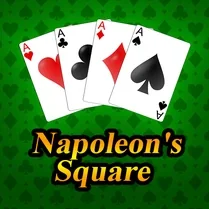
Common Core State Standards
Every game supports specific Common Core standards. Browse the full standards library.
Practice by Skill
Games by Grade
What is Napoleon's Square
Napoleon's Square invites you to a quiet duel of wits against a gridded battlefield. Your mission: craft perfect squares from a mosaic of odd-shaped tiles.
How to Play
Drag or click to place the displayed polyomino pieces onto the grid, aiming to form one or more complete squares. Once a square is filled, it clears, granting you more space and continuing the game.
Tips for Playing
- Start by placing larger pieces first to reduce the guesswork for smaller gaps.
- Always keep a mental map of where the corners and edges of potential squares will be.
- Avoid creating isolated cells that no future piece can fill, as they can trap you.
- Rotate pieces to see which orientation fits best before committing to a spot.
- Look ahead at the next few pieces to plan your square formations accordingly.
Frequently Asked Questions
What happens when I complete a square?
The square is removed from the board, clearing that space so you can continue placing pieces. This helps free up the grid.
Is there a time limit in Napoleon's Square?
No, there's no timer. You can take all the time you need to think through your moves, making it a relaxing yet challenging puzzle.
Can I rotate the pieces?
Yes, you can rotate each piece before placing it. This is essential for fitting shapes into tight spots.
What happens if I run out of moves?
If no piece can be placed on the board, the game ends. Your score is based on how many pieces you managed to place and squares you completed.
Is the game suitable for beginners?
Absolutely. The rules are very simple, but the puzzles grow in complexity, offering a satisfying challenge for both new and seasoned puzzle fans.
Do I need to form multiple squares at once?
It's not required, but doing so can clear more space and help you keep the board open for more placements.