Backgammon
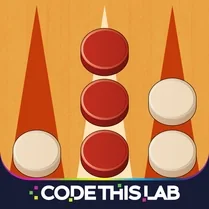
Backgammon is a timeless duel of wits where every roll of the dice reshapes the battlefield. Two players guide their checkers along a 24-point track, aiming to be the first to clear them from the board. While luck determines your dice, true mastery lies in how you position your pieces—building walls, creating anchors, and seizing every opportunity to hit a blot. The game balances aggression with caution. Do you play it safe and build a strong defensive formation, or take risks by leaving checkers exposed to slow down your rival? With each move, you'll weigh the odds and adapt to shifting circumstances. Whether you're a beginner learning the basics or a seasoned player seeking a mental challenge, this classic game offers endless strategic depth.
 WaffleMath
Common Core State Standards
Every game supports specific Common Core standards. Browse the full standards library.
Practice by Skill
Games by Grade
What is Backgammon
A classic two-player board game that pits your tactical thinking against the roll of the dice. Can you outsmart your opponent and bear off all your checkers first?
How to Play
Roll the dice and move your checkers around the board according to the numbers shown. Get all your checkers into your home board and then remove them before your opponent does.
Tips for Playing
- Try to build a prime of six consecutive points to block your opponent's progress.
- Keep your back checkers safe by moving them early to avoid being trapped.
- Hit your opponent's blot whenever you can, but only if it doesn't leave you too vulnerable.
- Use your extra checkers to occupy key points and control the board.
- Don't forget to double when you have a clear advantage to increase the stakes.
Frequently Asked Questions
What is the goal of Backgammon?
The goal is to move all your checkers into your home board and then bear them off, or remove them from the board, before your opponent does.
How do you move checkers?
You roll two dice and move your checkers the number of points shown. You can move one checker by the total or split the moves between two checkers.
What happens when you land on an opponent's blot?
If you land on a point occupied by a single opponent checker (a blot), that checker is sent to the bar, and your opponent must re-enter it before making other moves.
Can you move to any point on the board?
No, you must move to an open point—one that is not occupied by two or more of your opponent's checkers. You can also land on your own checkers.
What does 'bearing off' mean?
Bearing off is the final phase where you remove checkers from the board once all your checkers are in your home board. You can bear off a checker if the die roll matches or exceeds the point it's on.
Is there a doubling cube?
Yes, many versions include a doubling cube that allows players to raise the stakes. If you think you have an advantage, you can double, and your opponent can accept or resign.