Backgammon Pro
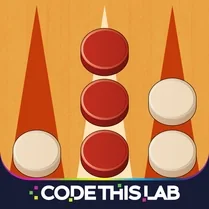
Backgammon Pro revives a centuries-old pastime with a clean, browser-based interface that focuses on pure tactical play. Each turn you roll two dice and decide how to advance your checkers across the triangular points, balancing offense and defense. You can land on an opponent's lone checker to send it back to the start, or build safe positions to shield your own pieces. The goal is straightforward—be the first to move all your checkers into your home board and bear them off—but every roll forces you to weigh risk against reward. The game offers a smooth, distraction-free experience with responsive controls that let you drag your checkers easily. Facing off against an AI opponent adds a steady challenge, pushing you to think several moves ahead. Whether you are a newcomer learning the ropes or a seasoned player looking for a quick match, the pace is steady and the rules remain faithful to the traditional game. Each match unfolds differently as dice luck meets strategic planning, making every session feel fresh and engaging.
 WaffleMath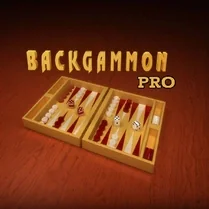
Common Core State Standards
Every game supports specific Common Core standards. Browse the full standards library.
Practice by Skill
Games by Grade
What is Backgammon Pro
Roll the dice, move your checkers, and outmaneuver your opponent in this faithful rendition of a classic strategy board game.
How to Play
Use dice rolls to move your checkers along the board's 24 points, aiming to land all of them in your home board and then bear them off, while hitting any lone opponent checkers to send them back to the start.
Tips for Playing
- Focus on building a strong home board early to make your opponent's re-entry difficult.
- Avoid leaving single checkers exposed unless it serves a clear tactical purpose.
- Keep your back checkers advanced to prevent your opponent from running them down easily.
- Use the doubling cube if available to pressure your opponent when you have a clear advantage.
- Remember that moving your checkers safely is often better than risking a break for a small gain.
Frequently Asked Questions
How does the bearing off phase work?
Once all your checkers are in your home board, you can start removing them. A die roll lets you bear off a checker from the corresponding point; if no checker is on that point, you move a higher one instead.
What happens if a checker is hit?
If you land on a point with only one opponent checker, that checker is sent to the bar. The player must re-enter it from the bar into their opponent's home board before making any other moves.
Can I move one checker the total of both dice?
No, you must move each die separately. You can move two different checkers or the same checker twice, but you cannot combine the dice into a single move.
Is there a way to double the stakes?
Yes, Backgammon Pro includes a doubling cube. You can offer to double the game's value when you feel confident, but your opponent can accept or resign.
What is the bar for?
The bar holds checkers that have been hit. Before making any moves, you must re-enter these checkers into the opponent's home board using a roll that matches an open point.
Do I have to move both dice if possible?
Yes, if you can legally move both dice, you must do so. If only one move is possible, you have to take it, even if it's not in your best interest.