Chess Tactical Battle
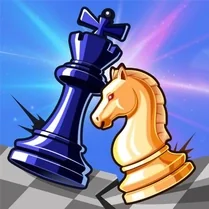
Chess Tactical Battle is a brain-teasing puzzle experience that strips chess down to its most explosive moments. Rather than playing a full game, you drop into carefully selected positions where a single brilliant move can turn the tide. The focus is on spotting forks, pins, skewers, and sacrifices — the kind of shots that decide real matches. Each puzzle asks you to find the fastest route to checkmate or to grab a decisive material edge, and you must do it within a set number of moves. The game is designed to test both your vision and your speed. As you progress, the positions grow trickier, mixing quiet moves with flashy combinations. You won't find long strategic grinding here; instead, you'll train the sharp part of your chess brain, the part that spots hidden resources under pressure. Whether you are a beginner looking to understand tactics or a seasoned player brushing up on patterns, this game offers a focused, rewarding mental workout.
 WaffleMath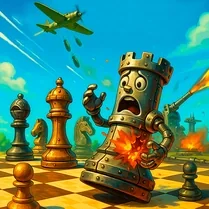
Common Core State Standards
Every game supports specific Common Core standards. Browse the full standards library.
Practice by Skill
Games by Grade
What is Chess Tactical Battle
Chess Tactical Battle wraps classic chess principles into a fast-paced puzzle format. It is ideal for players who love solving tricky positions rather than playing long games.
How to Play
You are presented with a chess position and a goal, like checkmate or winning material. Make the best move or sequence of moves within the allowed number to succeed; if you stall or choose poorly, you'll need to try again.
Tips for Playing
- Look for checks and captures first, as they often force your opponent's hand.
- Keep an eye on undefended pieces — they are prime targets for forks.
- Sometimes a quiet move is stronger than a flashy sacrifice; calculate carefully.
- Practice spotting pins and skewers; they can freeze enemy pieces in place.
- Think a couple of moves ahead to see what your opponent can do in response.
Frequently Asked Questions
What happens if I make a wrong move in a puzzle?
You'll be told the move is incorrect and can try again. There's no penalty, but you'll want to find the right solution to move on.
Are the puzzles timed?
Speed is part of the challenge, but not in the sense of a countdown timer. Your goal is to solve within the given number of moves, not a fixed time limit.
Do I need to know advanced chess rules?
Basic rules like castling, en passant, and promotion are useful, but the game focuses on tactical motifs rather than deep strategy.
How many puzzles are there?
The game includes a large set of positions, and more can be added over time. You'll always have new challenges to test your skills.
Is this game suitable for beginners?
Yes, beginners can learn from the puzzles, though some positions may seem tricky at first. Starting with easier puzzles can help build confidence.
Can I play on mobile devices?
The game is designed to work in a browser, so as long as your device has a supported browser, you should be able to play comfortably.