Visual novel: Support Group
Visual novel: Support Group places you in the middle of a weekly group therapy session where a handful of strangers open up about the moments that weigh on them. As you listen and respond, the way you speak matters — a soft question can pry open a locked memory, while a blunt comment might close someone off for good. Every conversation is a delicate dance, and the group’s atmosphere shifts based on the trust you build or lose. The story unfolds through branching scenes, revealing hidden layers of each character over time. No two playthroughs run the same path, as your choices steer the group toward harmony or leave tensions simmering. With a focus on listening as much as talking, this interactive tale rewards patience and emotional awareness, letting you witness how small gestures can ripple through a shared space.
 WaffleMath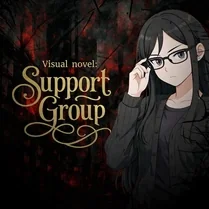
Common Core State Standards
Every game supports specific Common Core standards. Browse the full standards library.
Practice by Skill
Games by Grade
What is Visual novel: Support Group
Join a circle of strangers who share more than just a room. Your reactions guide their stories toward understanding or fracture.
How to Play
Read through each conversation and pick a response from the options given. Your selections influence character bonds and the direction of the narrative.
Tips for Playing
- Pay attention to each member's tone; it hints at what they need to hear.
- Stay consistent with your approach to build deeper trust over time.
- Revisit earlier scenes with new choices to unlock alternate paths.
- Save your progress before a big decision to explore different outcomes.
- Sometimes staying silent can be as powerful as speaking up.
Frequently Asked Questions
How long does a single playthrough take?
A typical run lasts around 30 to 60 minutes, depending on how many branches you explore. Replaying with different choices can extend the experience quite a bit.
Are there multiple endings?
Yes, several endings exist, ranging from a cohesive group to a fractured one. Your decisions determine which conclusion you reach.
Does this game involve any combat or action?
No, it's purely narrative and choice-driven. The challenge comes from managing emotions and relationships, not from reflexes.
Can I change my choices after selecting them?
Once you pick a response, you can't undo it in that playthrough. However, you can restart from an earlier save or begin a new run to alter your path.
Is the story based on real therapy sessions?
The game draws inspiration from real group therapy dynamics but is a fictional narrative. It aims to explore emotional connections in a meaningful way.
What happens if I upset a character?
Upsetting someone can make them withdraw or become hostile, affecting the group's harmony. It might lock off certain story branches but open others.
Related Adventure Games
 Chat with a step sister. Part 2
 Secrets of love - Color your destiny
 KinitoPet Choose Your Path
 Good and Evil
 Born in Russia: Reborn
 Call Gray right now!
 Chat with My Friend's Brother
 Visual novel: Love and Blood
 Why are you corrupt?
 The Baby in Yellow
 Breaking the Bank
 Once Upon a Coma
 Scarred
 Texts with Your Crushes
 Forgotten Hill
 Fleeing The Complex
 Ariana Breakup Drama
 Chat with Mom's Female Friend