Mahjong Paradox
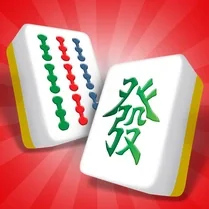
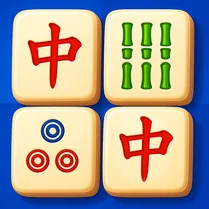
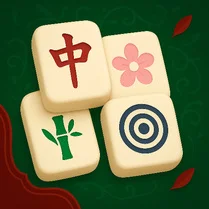
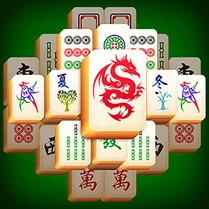
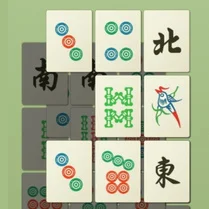
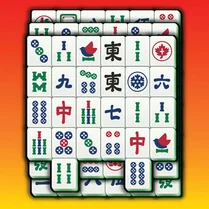
Mahjong Paradox invites you into a world of stacked tile arrangements where every move influences your next. The game presents a fresh take on classic mahjong solitaire, offering intricate patterns that test your spatial awareness and foresight. As you progress, the layouts become more complex, introducing new challenges that keep your mind sharp. Your goal is simple: remove all tiles by matching pairs with identical symbols. However, only tiles that are free—not blocked by others—can be selected. This restriction forces you to think several steps ahead, evaluating which matches will open up new possibilities and which might leave you stuck. With each level, the paradox of choice becomes your greatest puzzle, rewarding patience and strategic thinking.
 WaffleMath
Common Core State Standards
Every game supports specific Common Core standards. Browse the full standards library.
Practice by Skill
Games by Grade
What is Mahjong Paradox
Mahjong Paradox blends timeless tile-matching with increasingly brainy layouts. It’s a test of observation and planning, where every decision counts.
How to Play
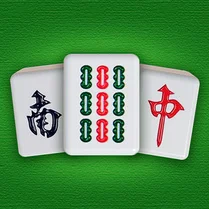
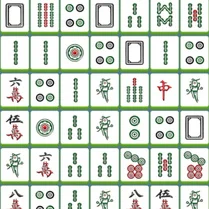
Select two identical tiles that are free (not covered or locked by others) to remove them. Clear all tiles from the board to advance to the next puzzle.
Tips for Playing
- Scan the entire board before making any move to spot potential traps.
- Prioritize removing tiles that unlock or free up other tiles.
- Use the shuffle or hint feature if available, but sparingly to avoid relying on it.
- Focus on layered sections first to reveal hidden tiles early.
- Keep an eye on pairs that appear only once; match them early to avoid dead ends.
Frequently Asked Questions
What does 'free' mean in Mahjong Paradox?
A tile is free if it has no tiles on top of it and at least one side (left or right) is open. Only free tiles can be matched and removed.
Can I undo a move?
Some versions of the game include an undo button. Check the controls to see if it’s available for your current level.
What happens if I run out of matches?
If no matches are available, you can shuffle the remaining tiles to create new possibilities, or use a hint to find a match.
How many levels are there?
The number of levels varies, but the game typically offers many progressively harder layouts. Check the level select screen for the full list.
Is Mahjong Paradox suitable for beginners?
Yes, early levels are designed to introduce mechanics gradually, making it accessible while still providing a challenge for experienced players.