Japanese Mosaic
Japanese Mosaic turns your screen into a grid of possibilities. Instead of simply filling spaces, you interpret numbers written along the rows and columns to decide which cells should be shaded and which must stay blank. As you progress, the pattern slowly emerges, revealing a piece of art you created through careful reasoning. It’s a satisfying blend of Sudoku-style thinking and paint-by-numbers creativity, perfect for players who enjoy puzzles that reward patience and precision. The game starts with small, friendly grids and gradually introduces larger, more complicated pictures. Each completed mosaic feels like a small victory, and the gentle pace makes it easy to pick up for a few minutes or settle into a longer session. With no time limits, you can always pause, rethink your strategy, and come back with a fresh perspective. Whether you’re a seasoned logic puzzler or new to the genre, Japanese Mosaic offers a quiet, brain-teasing escape that grows with your skill.
 WaffleMath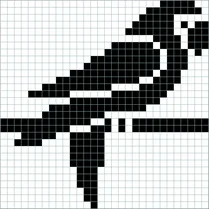
Common Core State Standards
Every game supports specific Common Core standards. Browse the full standards library.
Practice by Skill
Games by Grade
What is Japanese Mosaic
Japanese Mosaic is a nonogram-style logic puzzle that hides charming images behind a veil of numbers. Your goal is to shade the correct cells and watch the picture come to life.
How to Play
Use the numbers on each row and column to determine how many consecutive cells should be filled. Mark cells with an X when you’re certain they’re empty, and fill in the rest to complete the mosaic.
Tips for Playing
- Start with rows or columns that have large numbers, as they give you the most information.
- Use the X mark to block out cells you know are empty — it helps visualize the remaining options.
- Look for rows with totals that equal the length — those are completely filled, no guesswork.
- If you get stuck, focus on a single row or column and try to place the segments in every possible way.
- Revisit rows you’ve marked as you fill in more of the grid — new clues often appear.
Frequently Asked Questions
What is the objective in Japanese Mosaic?
The goal is to fill in the correct cells of a grid to reveal a hidden pixel-art image. You use the number clues to decide which cells to shade and which to leave blank.
How do the numbers work in each row and column?
Numbers indicate groups of consecutive filled cells. For example, '3 2' means three filled cells followed by at least one empty, then two more filled cells.
Is there a time limit?
No, you can take as long as you need. The game is designed to be relaxing, so there’s no pressure to rush.
What happens if I make a mistake?
You can undo your last move or restart the puzzle entirely. Be careful, though — some versions might count errors, so it’s best to think before clicking.
Can I play this game on mobile devices?
Yes, Japanese Mosaic is built to work in browsers, so you can play it on phones, tablets, and computers without any downloads.
Are there different difficulty levels?
The game usually starts with smaller grids and progresses to larger ones, offering a gentle difficulty curve that suits both beginners and experts.
Related Puzzle Games

 Ropes Tangle
 Puzzle Relaxing Blocks
 Block Sudoku - relaxing puzzle
 Relaxing Sudoku - Take a Break from the Bustle
 The Impossible Quiz
 Bloxorz
 Wordle Unlimited
 Water Color Sort
 Shape Fold
 Grow a Garden
 Minesweeper
 Minesweeper classic
 Best Mahjong
 Little Alchemy 2
 Flow Free
 Solitaire
 Color by Number: Online!
 Brain Trainer