Cards: Seka (Svara)
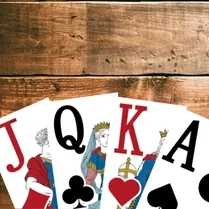
Seka, also known as Svara, is a cherished card game from the Balkans that blends simple rules with deep tactical play. Rather than focusing on complex combinations, the heart of the game lies in reading your opponents and knowing when to push your luck. Each round moves briskly, keeping everyone on edge as they decide whether to stay in or fold, all while aiming to form the strongest possible trio of cards. The scoring system rewards bold play, and a well-timed announcement of 'Seka' can turn the tables in an instant. The charm of Seka is its accessibility—grab a standard 32-card deck and you are ready for fun with friends or strangers alike. It is a game of nerves as much as mathematics, where bluffing and probability walk hand in hand. Whether you are a seasoned player or new to this tradition, the mix of suspense and social interaction makes every session memorable. The digital adaptation preserves all the excitement, letting you enjoy the classic experience anytime, anywhere, without the need for a physical deck.
 WaffleMath
Common Core State Standards
Every game supports specific Common Core standards. Browse the full standards library.
Practice by Skill
Games by Grade
What is Cards: Seka (Svara)
Experience the thrill of a Balkan favorite where every hand is a battle of wits. Master the art of bluffing and decision-making in this rapid card game.
How to Play
Each player is dealt three cards, and the goal is to have the highest-ranking trio, with special combos like a set of three or sequential numbers of the same suit. On your turn, you can choose to continue betting, fold and lose your previous bets, or declare 'Seka' to challenge the others and reveal hands.
Tips for Playing
- Pay close attention to the cards already played, as this helps you guess what your opponents might hold.
- Don't be afraid to bluff occasionally; a confident bet can make stronger hands fold.
- Remember that a run of the same suit outranks a pair, so value your hand accordingly.
- Observe your opponents' betting patterns to identify whether they are strong or just pretending.
- When in doubt, folding is a safe choice to cut losses, especially if the pot isn't large.
Frequently Asked Questions
What are the card rankings in Seka?
The hierarchy goes from highest to lowest: three of a kind, a run of the same suit, a pair, and then the highest single card. In case of equal hands, the suit—from spades, hearts, diamonds, to clubs—breaks the tie.
How many players can play Seka?
Typically, Seka is played with 3 to 5 players, making it perfect for small gatherings or competitive online lobbies.
What does it mean to declare 'Seka'?
Declaring 'Seka' is a bold move that ends the betting round. All players reveal their hands, and the one with the highest ranking takes the pot. It's a strategic call to catch bluffs.
Can I fold during a round?
Yes, you can fold at any time, but you will lose the chips you've already put into the pot. Folding is wise if your hand is weak and the bets are high.
Is there a hand that beats three of a kind?
No, three of a kind is the strongest hand in Seka. However, if two players both have three of a kind, the one with higher cards wins. If identical, the suit decides.
How does scoring work in Seka?
Players earn points by winning rounds, with more points awarded for stronger hands like a set or a run. Alternatively, some versions use a single winner-takes-all pot system, so check the rules before starting.