Animatronic Simulator
Animatronic Simulator drops you into a dimly lit entertainment hub where the stars of the show are temperamental robots. Your shift runs from dusk to dawn, and the challenge is balancing constant surveillance with hands-on maintenance. Each animatronic has its own quirks, and as the hours tick by, their glitches grow more unpredictable. You'll need to watch the camera feeds, spot the early warning signs of a breakdown, and rush over to fix anything that's about to go haywire. The atmosphere is tense, but the game keeps you on your toes with a steady rhythm of small tasks and sudden alarms. The real test is your ability to prioritize under pressure. Every repair consumes time and resources, and leaving one robot unattended for too long can set off a chain reaction that's hard to contain. The facility is designed to keep you guessing, with multiple rooms to monitor and limited moments to catch your breath. It's a game about composure, quick decision-making, and learning the machine's patterns before they learn yours. Whether you're a veteran of survival sims or new to the genre, the escalating tension and satisfying moment of completing a full night make it a memorable experience.
 WaffleMath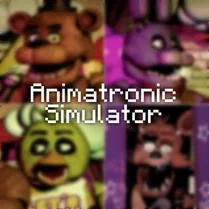
Common Core State Standards
Every game supports specific Common Core standards. Browse the full standards library.
Practice by Skill
Games by Grade
What is Animatronic Simulator
You're the night technician at a robotic attraction park, and the machines are starting to act up. Keep them in check until morning without losing your cool.
How to Play
Use the camera panel to switch between rooms and observe each animatronic's status. When a warning appears, navigate to that room and perform the repair action before the system fully crashes.
Tips for Playing
- Always check the camera feeds first before moving to a repair, so you know what you're walking into.
- Prioritize fixing the animatronic that's closest to a full malfunction to avoid multiple simultaneous failures.
- Memorize each robot's routine to predict when it's likely to glitch, giving you a head start.
- Keep track of your repair toolkit's durability and conserve it for serious breakdowns, not minor flickers.
- Take a quick mental note of the time remaining in the shift to pace your actions and avoid panic at the final stretch.
Frequently Asked Questions
What happens if an animatronic completely breaks down?
If a machine reaches total failure, it triggers a facility-wide alert that makes other robots act up, but the night isn't over. You'll need to restart it, which takes longer, and the increased chaos makes the rest of your shift tougher.
Can I move freely around the facility, or am I stuck in a control room?
You can walk through the hallways and enter each room to do hands-on repairs, but the camera system is your primary tool for keeping an eye on everything from a distance.
Is there a way to disable the animatronics to get a break?
You can temporarily shut down a robot for a short period, but doing so consumes extra power and leaves that area unguarded, making it a risky strategy for later in the night.
How long does a typical night shift last in the game?
A standard shift runs about 10 to 15 minutes of real time, but the pace picks up as the night progresses, so early minutes feel calmer than the final stretch.
Do the animatronics have different personalities or behaviors?
Yes, each robot has unique movement patterns and glitch triggers. Learning their individual behaviors is key to staying ahead of breakdowns.
What makes the game challenging if repairs are straightforward?
The challenge comes from juggling multiple simultaneous problems, limited time, and the anxiety of knowing a single mistake can spiral into a chaotic sequence that's hard to recover from.
Related Horror Games
 5 nights at Pomni's. Digital circus!
 Five Nights at Sprunki Original
 Five Nights at Candy's 2
 FNAF - Ruins of the animatronic farm
 Five Nights with Sprunki
 5 Nights with Nubik: The City
 5 Nights with Nubik: The Suburbs
 5 Nights with Skebob's!
 Animatronic Simulator 2
 Brainrot Horror 5 nights
 Creepy Night at Freddy's
 Five Nights At Sprunki's 3d mod
 Five Nights in Warehouse - FNAF fan game
 FNAF Merger
 Fnaf: Outwit the Animatronics!
 Grow or Trade 99 Nights & FNAF
 MiSide - Five Nights with Mita
 The Return to Freddy's